
Tooth Extraction
A Gentle Approach to Tooth Extraction in Henderson
Tooth Extraction in Henderson, Nevada
Nobody wants to hear that a tooth has to come out. Dentists try to save natural teeth whenever it makes sense. But sometimes a tooth is too damaged, too infected, or too out of place to keep, and removing it is the healthiest choice.
Coronado Canyon Dentistree provides tooth extraction in Henderson and nearby areas. Before suggesting anything, our dentist will examine the tooth, take x-rays and ask about your symptoms. The goal is to see if the tooth can be repaired first. If it can’t, we’ll explain why and walk you through the next steps.
What is Tooth Extraction?
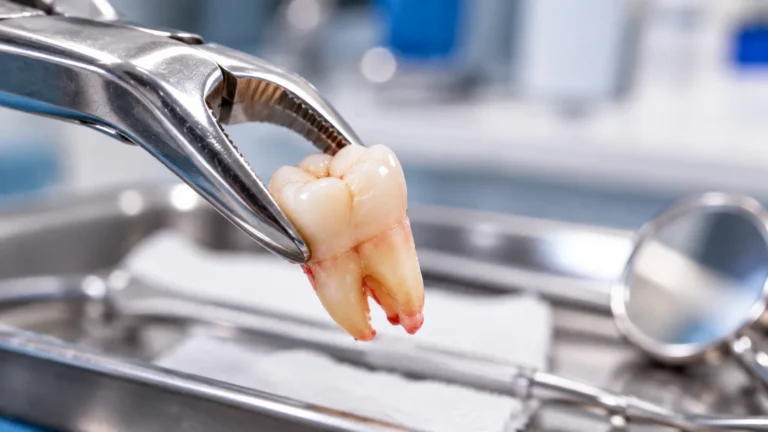
A tooth extraction is a dental procedure that removes a tooth from its socket in the jawbone. The socket is the small hole that holds the tooth root in place.
If you have a badly damaged tooth left in your mouth you may experience ongoing pain, the spread of infection to neighboring teeth or damage to the gums and bone. In those cases, taking the tooth out protects the rest of your mouth.
When Is a Tooth Extraction needed?
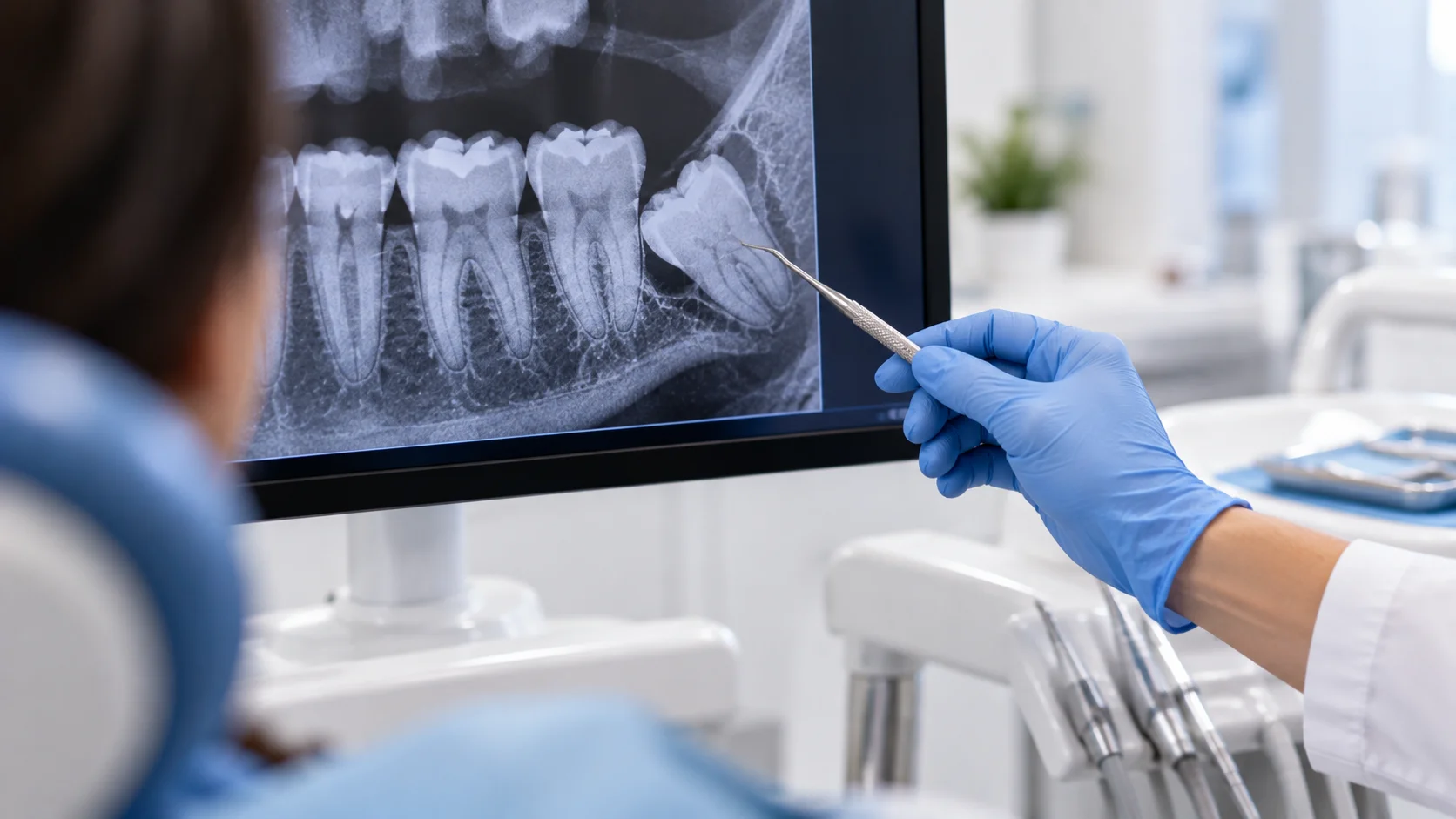
If a tooth cannot be treated or saved by other procedures such as a filling, crown or root canal, a dentist will usually suggest extracting it.
Think of it as a last step, not a first one. If the damage is too deep, an infection keeps returning, or the tooth is putting your other teeth at risk, removal may be the better path. Your dentist will also consider your age, your overall health, and your goals for your smile.
Types of Tooth Extraction
There are two main types. Which one you need depends on the condition and position of the tooth.
Simple Tooth Extraction
This is used when the tooth is visible above the gumline. The dentist loosens it and takes it out without surgery.
Surgical Tooth Extraction
This is needed when a tooth is hard to reach, broken off below the gumline or stuck under the gums (impacted). The dentist may make a small opening in the gum to get to the tooth. Sometimes the tooth is removed in pieces.
Wisdom Tooth Extraction
Wisdom teeth are the last molars. They usually grow in at the back of the mouth in the late teens or early twenties, and many people don't have enough room for them. They may need to be removed if they are impacted, painful, infected, crowded, or damaging nearby teeth. Not every wisdom tooth has to come out, so an exam and X-ray help show what's going on.
Common Reasons for Tooth Extraction
Many problems can lead to an extraction, but not every one of them requires it. Often the tooth can be treated first. These are the situations people run into most:
- Severe tooth decay that has reached deep inside the tooth
- A broken or badly damaged tooth that can't be repaired
- Advanced gum disease that has loosened the tooth
- A dental infection that treatment hasn't cleared
- Crowded teeth that need more room to line up
- Problematic wisdom teeth
- Preparation for certain orthodontic treatments, such as braces
Tooth Extraction Procedure
Here is what you can generally expect:
- Examination and treatment planning. We look at the tooth, review your x-rays and health history, and explain the plan. This is a good time to ask questions.
- Numbing the treatment area. A local anesthetic numbs the tooth and the gum around it. You may feel pressure, but you shouldn’t feel sharp pain.
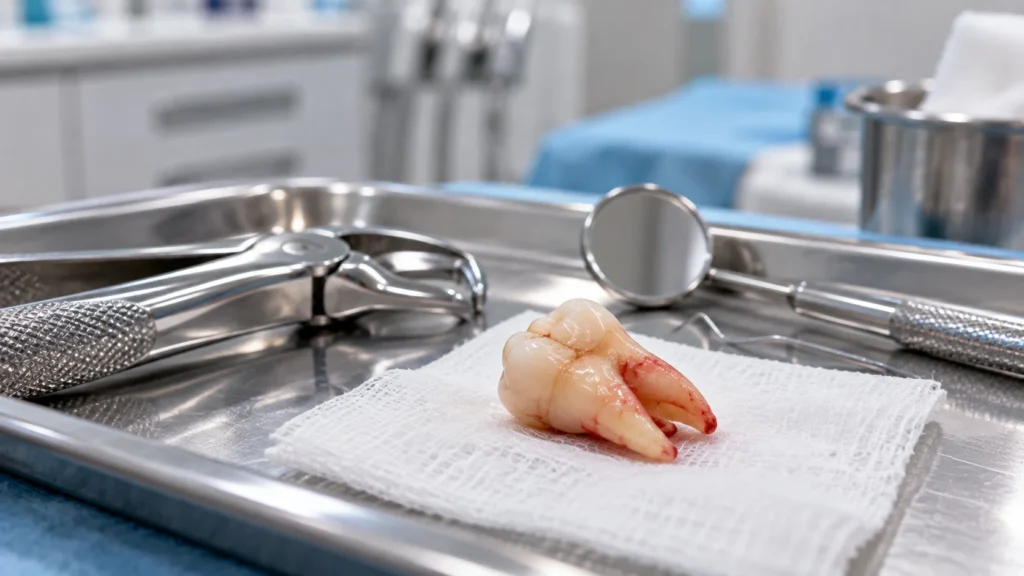
- Loosening and removing the tooth. The dentist gently loosens the tooth and takes it out. Surgical cases involve a few extra steps.
- Checking and cleaning the area. The socket is cleaned and checked. To stop bleeding, stitches or gauze may be used.
- Providing aftercare instructions. You will go home with clear instructions on bleeding, eating, medications, and when to call us.
Frequently Asked Questions
Does tooth extraction hurt?
The area is numbed first, so you should feel pressure rather than pain. It is common to feel a little sore afterward and that passes in a few days.
How long does a tooth extraction take?
A simple extraction often takes about 20 to 30 minutes. Surgical and wisdom tooth cases can take longer.
How long does it take to recover?
Most people will feel well in a few days. The gum usually heals over a few weeks, while the bone underneath takes longer.
When can I eat after having a tooth extraction?
Wait until the numbness goes away. Then start with soft, lukewarm foods like yogurt, eggs, or soup.
How do I know if I need a tooth extraction?
Lasting pain, swelling, a loose tooth, a bad taste, or a deep crack are warning signs. Only an exam and X-ray can confirm whether extraction is needed.
Can a damaged tooth be saved instead?
Often, yes. Sometimes a filling, crown, root canal or gum treatment will do. Extraction is considered when the damage is too severe for those options.
What should I avoid after a tooth extraction?
For the first few days, avoid smoking, drinking through a straw, spitting hard, hot drinks, and crunchy foods. Skip hard exercise too. These can disturb the blood clot and lead to a painful problem called dry socket.

Why Choose Coronado Canyon Dentistree for Tooth Extraction?
Patients come to us for tooth extraction in Henderson because we start with a careful evaluation, not a quick decision. We look at X-rays, talk through your symptoms, and discuss alternatives before suggesting removal.
You’ll get a plain explanation of what’s happening and what each choice means for your mouth, so you can decide with confidence.
Schedule your Tooth Extraction Consultation
If you have tooth pain, a badly damaged tooth, signs of infection, or just a nagging worry, it’s better to have it looked at sooner than later. Waiting can make a small problem harder to treat.
Coronado Canyon Dentistree is here to help Henderson patients understand their options. Contact our dental office or schedule an appointment, and we’ll take it from there.
Book Your Appointment
By submitting this form, you agree to our Privacy Policy. This form is not for medical emergencies. Please do not include sensitive medical or personal health information in this form.